London
IBM Extreme Blue: Designing and Developing a Digital Transition Platform for Young Patients
Co-designing and building an NHS-backed mobile prototype to support teenagers managing long-term conditions.
Overview
Extreme Blue is IBM’s fancy Leadership Program for Future Tech & Business Leaders. Over 12 weeks, our team worked with the NHS through clinicians and patients at UK children’s hospitals to explore how digital tools could better support young people transitioning from paediatric to adult healthcare. This transition is often poorly understood by patients, despite representing a critical shift in responsibility for managing long-term conditions.
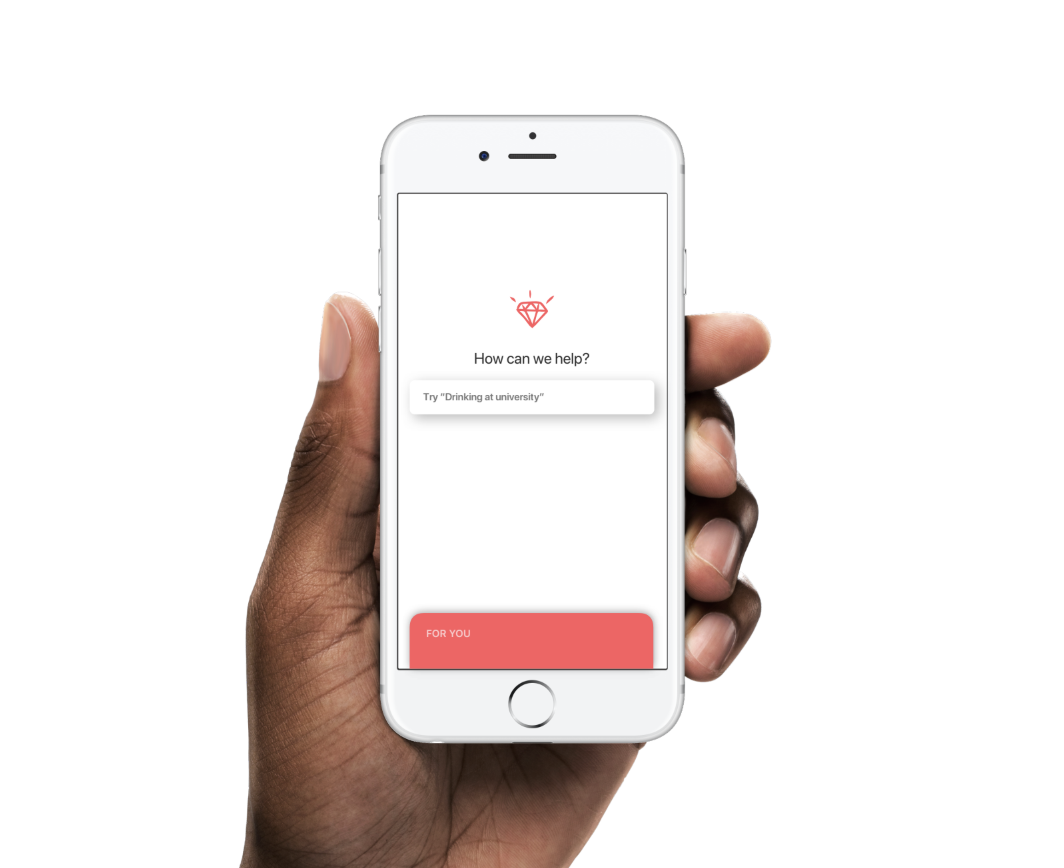
The project resulted in “smarts”, a mobile prototype designed to provide accessible, lifestyle-focused health information and trusted answers to everyday questions young patients face as they move toward independent care.
The challenge
Young people with long-term conditions typically see clinicians for only a few hours each year, yet must manage their condition independently the rest of the time. During the transition to adult services, this gap often leads to confusion, disengagement, and poorer long-term health outcomes.
NHS resources contain valuable information but are fragmented, difficult to navigate, and rarely designed around the real-life situations young people face – from sport and alcohol to university or relationships.
The key question became:
How might we provide reliable, NHS-trusted information in a format that young patients actually use and engage with?
Designing with, not for
Two days each week were spent on the dialysis ward at Southampton Children’s Hospital, working directly with young patients going through transition to adult care. Conversations, sketches and rapid prototypes were tested in real time with patients and clinicians, grounding the concept in the realities of managing a condition as a teenager.These interactions revealed a critical gap: while clinical information exists, young people struggle to apply it to everyday life decisions — often turning to unreliable internet sources when questions arise outside appointments.
From this insight we developed a lifestyle-led information model. Instead of organising content around medical categories, the experience was structured around real-life situations young people face — going to university, sport and exercise, food and alcohol, or managing appointments.Information was delivered through short multimedia “flashcards”, enabling patients to quickly explore relevant topics or ask questions and receive reliable NHS-sourced answers. The goal was not simply to educate, but to help young people make informed decisions about their lives while managing their condition.
Remember, 2018 was a time before short-form content took over the internet. So the move to reimagine NHS content and place young people in the centre of the experience was still novel. Importantly, this shifted the focus from medical restriction to informed decision-making.
Building a two-part product experience
Alongside shaping the concept and experience, I was responsible for designing and co-developing the prototype, working directly in the codebase and collaborating with IBM engineers to integrate Watson AI services.The product was structured around two core features:
Discover: A personalised feed of short multimedia content helping users explore topics relevant to their condition and stage of transition — from everyday lifestyle questions to preparing for adult care.
Answer: A natural-language search where users could ask questions and receive reliable responses drawn from NHS documentation and supporting media.To power this, we integrated IBM Watson Assistant and Discovery, allowing the system to interpret user queries and surface relevant answers and resources in real time.
This combination of product design, front-end development and AI integration enabled us to quickly prototype a working digital experience and test it directly with patients and clinicians on the ward.
Outcome
This project was an early (and formative) experience of designing digital services within complex public systems.
It reinforced that successful health technologies are rarely about creating new information, but about restructuring existing knowledge into formats people can actually use in real life.
The prototype demonstrated how existing NHS knowledge could be reorganised into an engaging, patient-centred platform rather than requiring entirely new content. Early feedback from patients and clinicians was strongly positive, particularly around: The short video-based content format; The simplicity of the interface, and ; The reassurance of NHS-sourced information. Clinicians highlighted the potential for the platform to help patients prepare questions before appointments and better understand their transition journey
IBM & National Health Service (NHS
Client
2018
Year
Winchester, UK
Location
Dominik Kloepfer, James Lee, Heloise Rozes & Jack Strachan
Team